Munich Third Reich Tour
Visitor Guide

Third Reich Sites in Munich

Munich called itself the Hauptstadt der Bewegung, and the district around Königsplatz was rebuilt to prove it. Most of that architecture is still standing, repurposed and largely unlabelled. This third reich sites in munich guide explains what survives, where the trail begins, and the practical facts you need before setting out.

9 min read Updated 2026-08-09 Fact-checked
Third Reich Sites in Munich

Quick answer

Entry to the NS-Dokumentationszentrum at Max-Mannheimer-Platz 1 is free for all visitors, at 0 EUR. It opens Tuesday to Sunday, 10:00–19:00, and closes on Mondays. Arriving between 10:00 and 18:00 leaves enough time for the permanent exhibition. Most other Nazi-era buildings nearby are outdoor or in-use structures, viewable from the street at any hour.

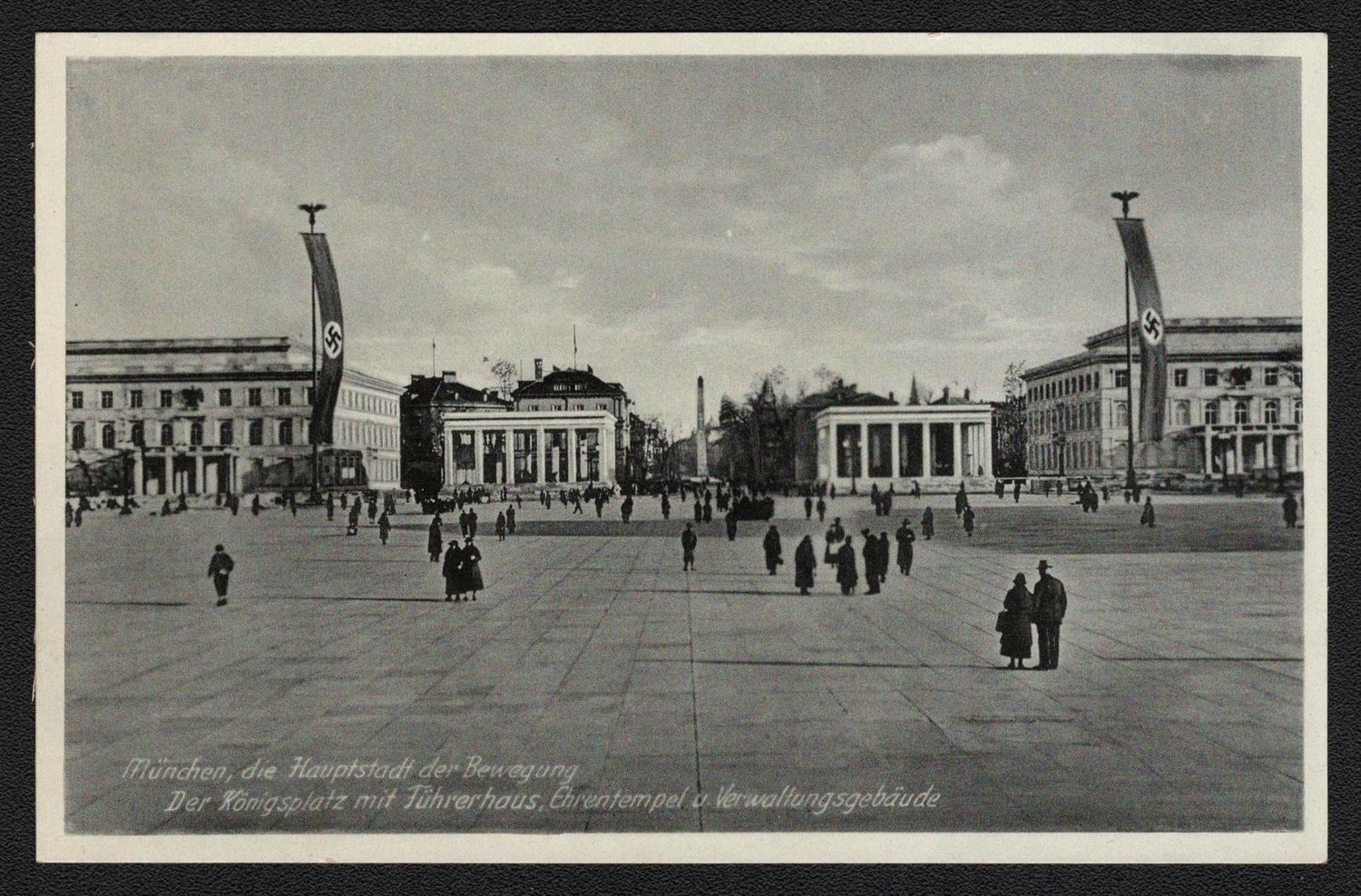
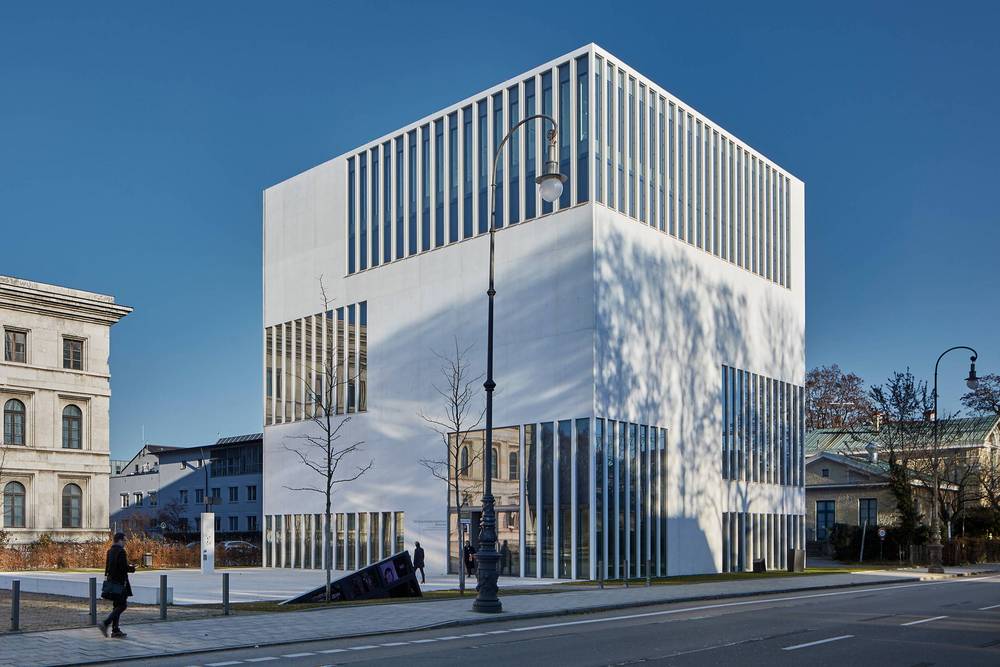
The white cube on Max-Mannheimer-Platz stands on the footprint of the Brown House, the Nazi Party headquarters bought in 1930 and destroyed by Allied bombing. Nothing of the original was preserved. That deliberate absence sets the tone for the whole district: what visitors find in Munich is rarely a monument and often a working building with an uncomfortable past. The third reich sites in munich cluster tightly around Königsplatz and the Maxvorstadt, which makes them unusually walkable. Paul Ludwig Troost's two Führerbauten flank the square and now house the Hochschule für Musik und Theater and the Zentralinstitut für Kunstgeschichte; the Munich Agreement was signed inside one of them in 1938. The granite paving Hitler laid across Königsplatz for mass rallies was lifted in the late 1980s and the lawns restored. Two blocks away, the Feldherrnhalle marks the end of the 1923 Beer Hall Putsch, and the Viscardigasse behind it — the so-called Drückebergergasse — carries a bronze line commemorating those who detoured to avoid saluting. Further out sit Dachau Concentration Camp Memorial Site and the Haus der Kunst, still a functioning gallery. What this means practically is that a Munich third reich tour is mostly an exercise in reading exteriors. Only the Documentation Centre offers a curated indoor exhibition, which is why nearly every self-guided route and guided walk starts or ends there. Its four floors run chronologically from the city's post-1918 radicalisation to the aftermath of the war, and the top-floor windows look directly down on the square the material describes. Reading the exhibition first gives the surrounding Munich landmarks a context that plaques alone cannot supply. Budget a half day if the goal is the centre plus a loop of the Maxvorstadt buildings, and a full separate day for Dachau, which lies roughly twenty kilometres northwest and warrants its own visit rather than an afternoon add-on. Photography is permitted in most public areas, but the sites are places of remembrance and several are active schools, offices and concert halls; discretion matters. Anyone building an itinerary around third reich sites in munich should also check the centre's temporary exhibition programme, which changes several times a year and occasionally closes individual floors. Guided walks fill the gaps between buildings with the street-level detail that survives nowhere else.

“What visitors find in Munich is rarely a monument and often a working building with an uncomfortable past.”
Opening hours

Opening Hours for Third Reich Sites in Munich

The Munich Documentation Center for the History of National Socialism is open Tuesday through Sunday. It remains closed on Mondays.

Monday
Closed
Tuesday
10:00–19:00
Wednesday
10:00–19:00
Thursday
10:00–19:00
Friday
10:00–19:00
Saturday
10:00–19:00
Sunday
10:00–19:00
Visitors should aim to arrive between 10:00 and 18:00 to ensure sufficient time to view the permanent exhibition.
Prices

Admission Fees for Third Reich Sites in Munich

Admission to the Munich Documentation Centre for the History of National Socialism is provided free of charge to the public. There are no ticket tiers or varied pricing structures for entry.

Adult No entry fee
0 EUR
Reduced No entry fee
0 EUR
Under 18 No entry fee
0 EUR
Entry is free for all visitors regardless of age or residency status.

Verdict: A typical adult pays 0 EUR for admission, as access to the permanent exhibition is free for all guests.

History

Historical Context of Third Reich Sites in Munich

The address tells the story. Max-Mannheimer-Platz 1 stands on the footprint of the Braunes Haus, the Nazi Party headquarters bought in 1930 and named for the brown shirts of the SA. Adolf Hitler kept an office on the first floor. Munich had been the movement's cradle since 1919, when the German Workers' Party met in the city's beer halls; the failed Beer Hall Putsch of 8–9 November 1923 began at the Bürgerbräukeller and ended with sixteen dead near the Feldherrnhalle. In 1935 the regime formalised what was already true and titled Munich Hauptstadt der Bewegung — Capital of the Movement. Party architect Paul Ludwig Troost reshaped the surrounding Königsplatz between 1933 and 1937. The neoclassical square, laid out for Ludwig I in the 1810s, was paved with 22,000 granite slabs for mass rallies. Two Führerbau administrative blocks and two Ehrentempel housing the putsch dead completed the complex. The Munich Agreement was signed in the Führerbau on 30 September 1938. Allied bombing gutted the Braunes Haus in 1945; the temples were demolished in 1947, their plinths left deliberately visible. The empty plot stayed empty for six decades. Ground was broken in 2012 on a white cube by Georg Scheel Wetzel Architekten, and the NS-Dokumentationszentrum opened on 30 April 2015, seventy years after Munich's liberation. Free entry for all visitors was written into its founding principle, and its documentation of third reich sites in munich remains the anchor point for anyone tracing the period across the city. What survives today is mostly ground and stone. Visitors on any Munich history walking tour still cross Troost's granite paving, stand on the surviving Ehrentempel foundations under a thicket of trees, and see the intact Führerbau, now a music college. The centre itself, and the third reich sites in munich mapped from it, occupy the one plot deliberately left as void.

1919

The German Workers' Party, forerunner of the NSDAP, forms in Munich.

1923

The Beer Hall Putsch of 8–9 November collapses near the Feldherrnhalle, leaving sixteen party members dead.

1930

The NSDAP acquires the Barlow Palace on Brienner Straße and converts it into the Braunes Haus.

1935

Munich is officially designated Hauptstadt der Bewegung, Capital of the Movement.

1937

Troost's redesign of Königsplatz is completed, with granite paving, two Führerbauten and two Ehrentempel.

1938

The Munich Agreement is signed in the Führerbau on 30 September.

1947

US occupation forces demolish the Ehrentempel, leaving their plinths exposed.

2015

The NS-Dokumentationszentrum opens on 30 April on the site of the former Braunes Haus.

What to see

Notable Exhibitions at Third Reich Sites in Munich

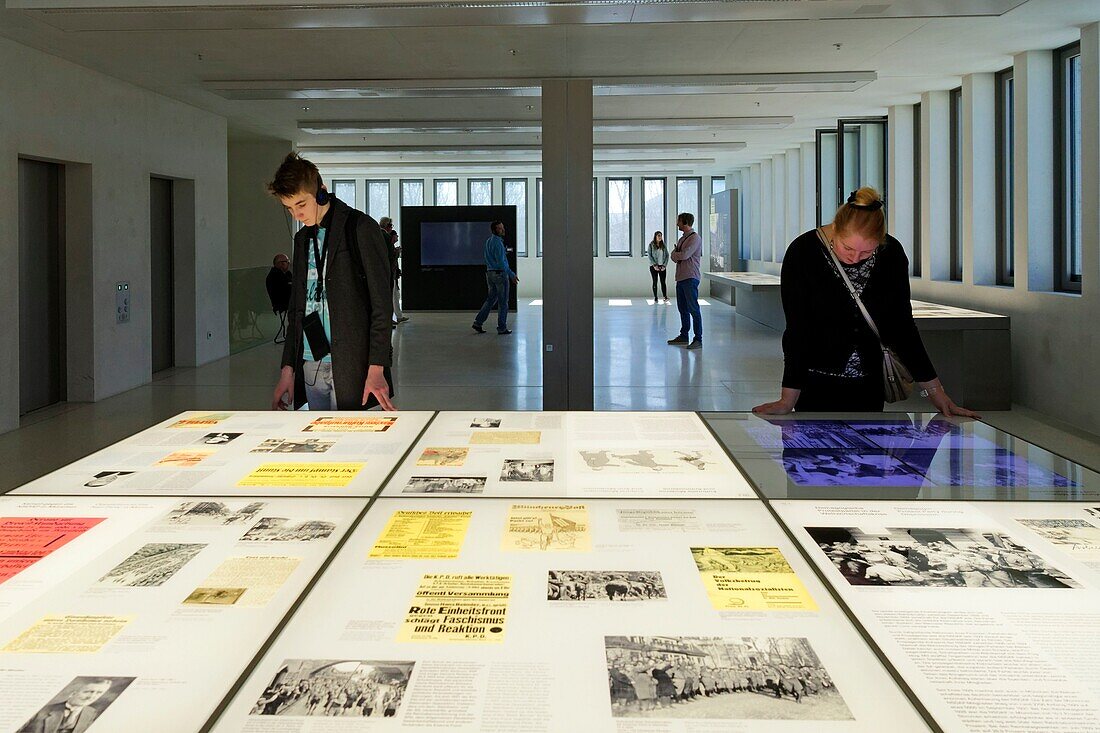
The permanent exhibition at the Munich Documentation Center for the History of National Socialism occupies multiple levels, detailing the city's transformation into the capital of the Nazi movement. Visitors explore the ideological foundations and the institutionalization of the regime through documented evidence and period artifacts.

The Munich Rise to Power

The Munich Rise to Power

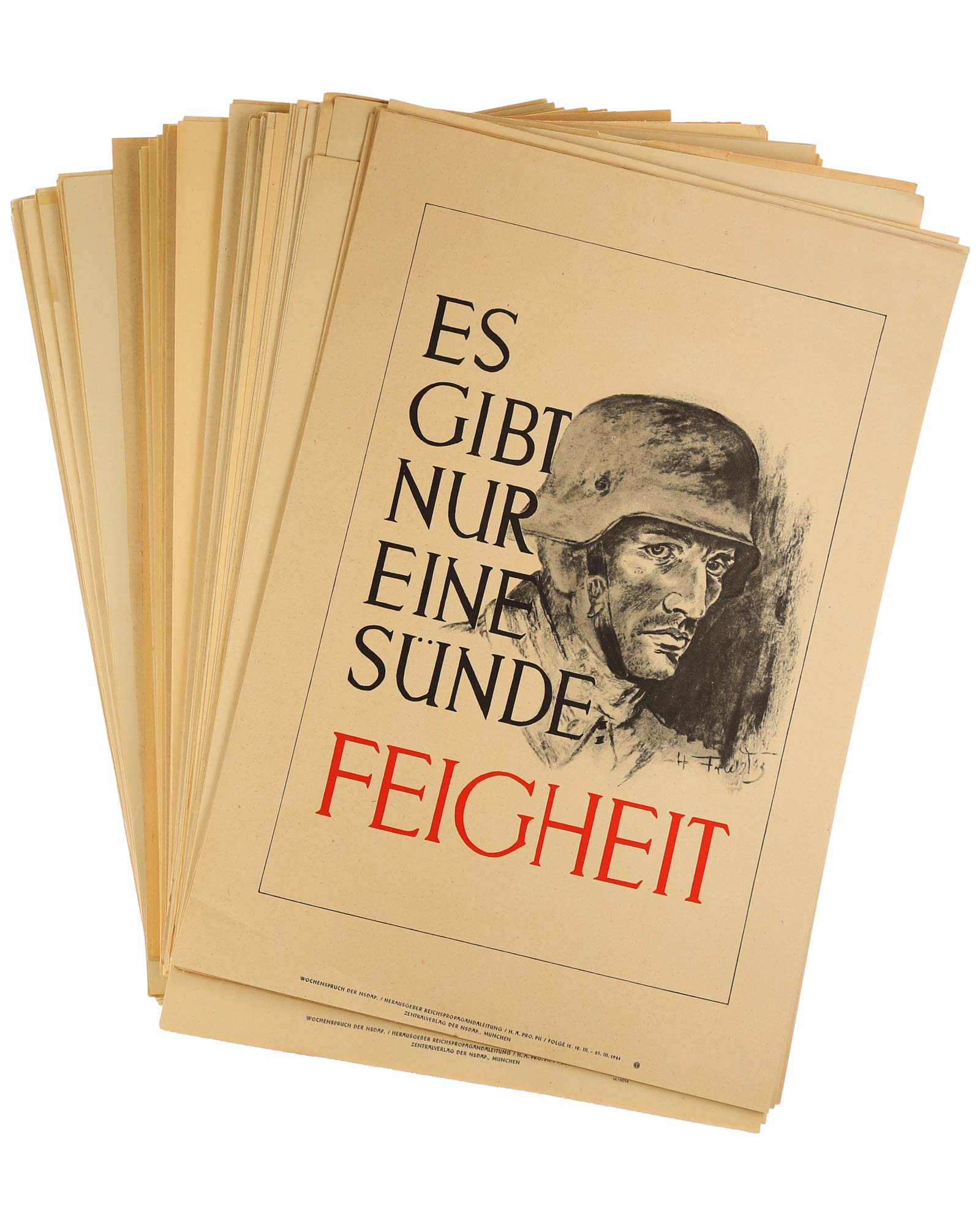
This section examines the early political climate of Munich, focusing on the formation of the NSDAP and the 1923 putsch. Observe the display of early propaganda materials to understand the party's growth.

Look for the 1920s party membership cards and rally photographs.
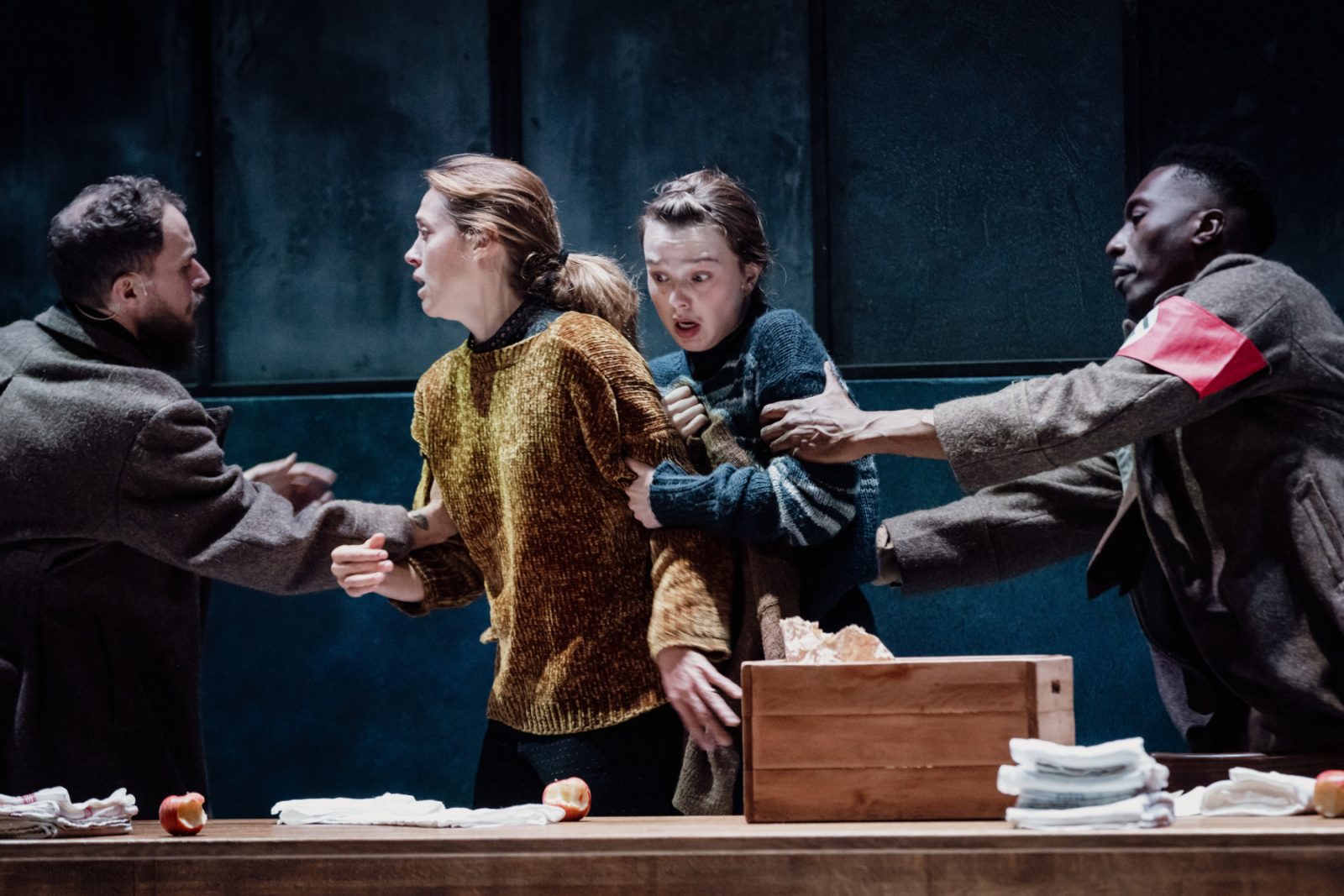
The Racial Policy Exhibition

The Racial Policy Exhibition

This area analyzes the regime's systemic persecution of minorities and the implementation of racial laws in Munich. It provides insight into the institutional machinery that facilitated systemic exclusion.

Focus on the documented timeline of anti-Semitic measures in city ordinances.

Munich as the Capital of the Movement

Munich as the Capital of the Movement

The exhibit illustrates how the city was reshaped for propaganda purposes, including its architecture and ceremonial use. It details the contrast between the city's cultural heritage and its Nazi reconstruction.

Compare the archival photos of Königsplatz with modern architectural remnants.

Reconstruction and Remembrance

Reconstruction and Remembrance

The final section covers the aftermath of the war and the city's approach to dealing with its historical legacy. It highlights the efforts of documentation and education in modern Munich.

Take time to read the interactive entries regarding post-war city discourse.

Directions

Directions to Third Reich Sites in Munich

The Munich Documentation Centre is located at Max-Mannheimer-Platz 1, 80333 Munich. It is most easily reached via the city's central public transport network.

Metro 5 min walk from station

U-Bahn U2 to Königsplatz

Bus 3 min walk from stop

Bus 100 to Königsplatz

On foot 15 min walk

From Munich Central Station (Hauptbahnhof)

Alighting at the Königsplatz U-Bahn station provides the shortest walking distance to the entrance. For those planning a broader exploration of the city's historical sites, utilizing the central public transport hub is recommended over driving due to limited parking in the immediate vicinity.

Book

Check availability

Frequently asked

Common Questions About Third Reich Sites in Munich

Everything you need to know about third reich sites in munich

Are there many third reich sites in munich to visit?

Munich contains several significant locations tied to the period, primarily centered around the city's role as the birthplace of the movement. Exploring third reich sites in munich often involves visiting the Documentation Centre for the History of National Socialism, which serves as a central hub for context. Dedicated walking tours can help you navigate these dispersed locations effectively.

Is there an entrance fee for the Munich Documentation Centre?

The Documentation Centre for the History of National Socialism, a key location for understanding third reich sites in munich, requires an entrance fee of 0 EUR. It is free for all visitors, making it an accessible educational resource. Please check the official site for any changes to operational policy.

What are the opening hours for sites related to National Socialism?

The documentation centre is open Tuesday through Sunday from 10:00 to 19:00. It is closed on Mondays, which is a detail to keep in mind when planning your itinerary to see various third reich sites in munich. Always verify specific times for other minor historical markers before departing.

When is the best time to visit third reich sites in munich?

We recommend arriving between 10:00 and 18:00 to avoid late afternoon crowds and ensure you have sufficient time to view the extensive permanent exhibition. This window allows for a comprehensive experience when studying the history of the city. Visiting during these hours helps provide a quieter atmosphere for reflection.

Can I explore Munich landmarks on my own?

Yes, many historical markers and monuments are located in public spaces, allowing for self-guided exploration of these landmarks. However, a guided city walking tour often provides deeper historical context and identifies sites that might otherwise be overlooked. Professional guides offer insights into the complex history of the era.

Are these history tours suitable for families with children?

While the material at these historical sites is educational, it deals with sensitive and difficult subjects. Parents should evaluate if the content is appropriate for their children based on their age and maturity level. Many visitors find that an expert-led tour helps frame these complex topics responsibly.

Keep reading

More guides & pages